


The Essential Features of a Modern Restaurant POS System for 2026
Posted by By Luis Requejo, HighTech Payment Systems on Mar 3rd 2026
In the rapidly evolving culinary landscape, a robust Point of Sale (POS) system is no longer a luxury but a necessity for restaurants aiming for efficiency, profitability, and an enhanced customer experience. As we move further into 2026, the demands on restaurant operations are becoming increasingly complex, necessitating POS solutions that go beyond basic transaction processing. This article delves into the essential features that define a modern restaurant POS system, highlighting how these functionalities contribute to operational excellence and sustained growth.
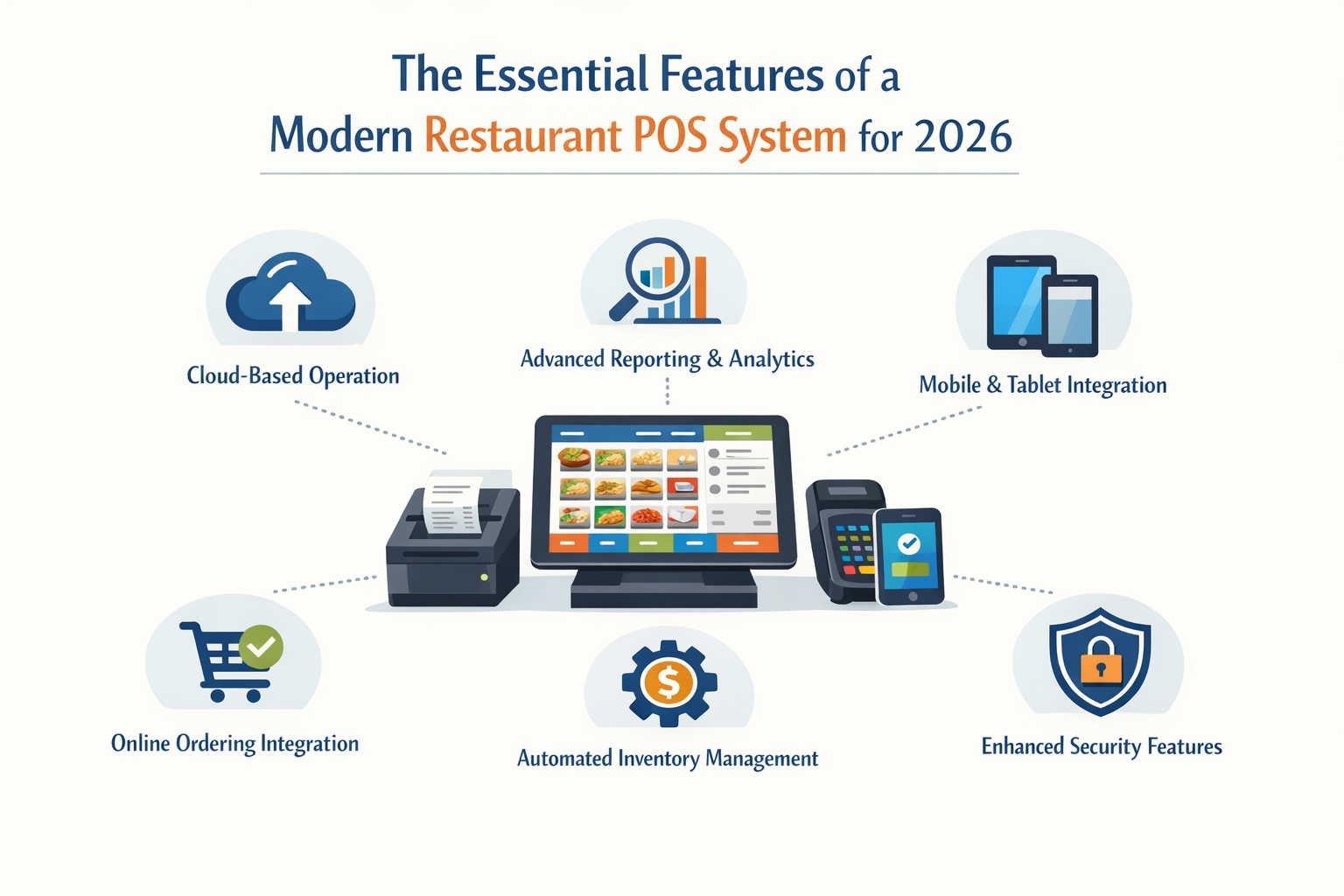
Streamlined Order Management and Kitchen Efficiency
At the core of any effective restaurant POS system is its ability to streamline order management. Modern systems offer intuitive interfaces for order entry, allowing staff to quickly and accurately take orders, customize items, and apply discounts. Key features in this category include:
- Intuitive Order Entry: Touch-screen interfaces with customizable menus, modifiers, and combo options accelerate the ordering process and reduce errors.
- Table Management: Visual table layouts enable staff to manage reservations, seat guests, split checks, and track table status efficiently, optimizing seating capacity and turnover.
- Kitchen Display Systems (KDS) Integration: Digital screens in the kitchen replace paper tickets, displaying orders clearly, managing cook times, and ensuring timely preparation and delivery. This reduces miscommunication and improves kitchen workflow.
- Online Ordering and Delivery Integration: Seamless integration with online ordering platforms and third-party delivery services is crucial. This allows restaurants to manage all orders from a single system, expanding their reach and revenue streams.
Comprehensive Inventory and Supply Chain Management
Effective inventory management is paramount for controlling costs and minimizing waste in a restaurant. A modern POS system provides real-time insights into stock levels, helping managers make informed purchasing decisions. Essential features include:
- Real-time Inventory Tracking: Automatically updates stock levels as ingredients are used and dishes are sold, preventing stockouts and overstocking.
- Recipe Management: Links menu items to their constituent ingredients, allowing for accurate cost calculation per dish and precise inventory deduction.
- Supplier Management and Purchase Order Generation: Facilitates ordering from suppliers, tracks deliveries, and manages invoices, streamlining the entire supply chain process.
- Waste Tracking: Records spoiled or wasted ingredients, providing valuable data for identifying areas of inefficiency and improving cost control.
Advanced Customer Relationship Management (CRM) and Marketing Tools
Building customer loyalty is vital for long-term success. Modern POS systems integrate CRM functionalities that help restaurants understand their customers better and tailor marketing efforts. Key features include:
- Customer Databases: Stores customer information, including order history, preferences, and contact details, enabling personalized service.
- Loyalty Programs: Manages points-based systems, discounts, and special offers to reward returning customers and encourage repeat business.
- Email and SMS Marketing Integration: Allows restaurants to send targeted promotions, updates, and personalized messages to their customer base.
- Feedback Management: Collects customer feedback directly through the POS or integrated platforms, providing insights for service improvement.
Robust Reporting and Analytics for Data-Driven Decisions
Data is a powerful tool for optimizing restaurant operations. A modern POS system offers comprehensive reporting and analytics capabilities that transform raw data into actionable insights. Essential features include:
- Sales Reports: Detailed breakdowns of sales by item, category, time of day, and staff performance, identifying best-selling items and peak hours.
- Labor Reports: Tracks employee hours, sales performance, and tip distribution, aiding in labor cost management and scheduling.
- Cost of Goods Sold (COGS) Reports: Provides insights into ingredient costs and profitability per dish, helping to optimize menu pricing.
- Customizable Dashboards: Presents key performance indicators (KPIs) in an easy-to-understand visual format, allowing managers to monitor business health at a glance.
Secure Payment Processing and Compliance
Given the sensitive nature of financial transactions, secure and compliant payment processing is non-negotiable. A modern POS system must support a variety of payment methods and adhere to industry standards. Key features include:
- Multiple Payment Options: Accepts credit/debit cards, mobile payments (e.g., Apple Pay, Google Pay), contactless payments, and gift cards.
- PCI DSS Compliance: Ensures that all payment processing adheres to the Payment Card Industry Data Security Standard, protecting customer data.
- EMV Chip Card Support: Processes chip card transactions securely, reducing fraud liability.
- Tokenization and Encryption: Protects sensitive cardholder data by converting it into unique, non-sensitive tokens and encrypting it during transmission.
Conclusion
Investing in a modern restaurant POS system with these essential features is a strategic decision that can significantly impact a restaurant's operational efficiency, customer satisfaction, and financial performance. By leveraging advanced technology, restaurateurs can streamline workflows, gain valuable insights, and adapt to the ever-changing demands of the industry, ultimately paving the way for sustained success in 2026 and beyond.